
Planning a trip to Ethiopia in 2026 or 2027? Choosing the right time to visit can make a huge difference in your experience. Ethiopia is a year-round destination, offering breathtaking landscapes, vibrant festivals, rich cultural heritage, and unique wildlife. However, the best time to visit depends on the regions you plan to explore and the experiences you’re looking for.
Whether you dream of meeting the indigenous tribes of the Omo Valley, trekking through the Simien Mountains, exploring the rock-hewn churches of Lalibela, or witnessing the colorful celebrations of Timkat and Meskel, this guide will help you choose the perfect time for your Ethiopian adventure.
Ethiopia’s Climate at a Glance
Unlike many African countries, Ethiopia’s climate varies significantly because of its diverse landscapes and elevations. The central highlands enjoy pleasant temperatures throughout the year, while lowland regions such as the Omo Valley and Danakil Depression are much warmer.
Dry Season (October to February)
The dry season is widely considered the best time to visit Ethiopia. Expect sunny days, clear skies, and comfortable temperatures across most of the country. Roads are generally in excellent condition, making travel easier and more enjoyable.
This season is ideal for:
- Omo Valley cultural tours
- Simien Mountains trekking
- Lalibela and Gondar sightseeing
- Addis Ababa city tours
- Wildlife viewing
- Photography
Green Season (June to September)
The rainy season transforms Ethiopia into a lush, green paradise. While some rural roads become muddy, many destinations remain accessible, and the scenery is spectacular.
Advantages include:
- Beautiful green landscapes
- Fewer tourists
- Lower accommodation prices
- Excellent photography opportunities
- Cooler temperatures in the highlands
Best Months to Visit Ethiopia
October
October marks the beginning of the dry season. The countryside is still green from the recent rains, creating stunning scenery with pleasant weather. It’s one of the best months for photography and sightseeing.
November
November offers excellent travel conditions across Ethiopia. Clear skies and mild temperatures make it perfect for exploring historical sites, national parks, and cultural destinations.
December
December is one of the busiest travel months. International visitors arrive for Christmas holidays, and destinations such as Lalibela, Gondar, and the Omo Valley become especially popular. Early booking is recommended.
January
January is one of Ethiopia’s most exciting months because of Timkat (Ethiopian Epiphany), one of Africa’s most spectacular religious festivals. Travelers can also enjoy excellent weather throughout the country.
February
February remains warm and dry, making it ideal for outdoor adventures, hiking, and cultural tours. Wildlife viewing is also excellent during this period.
March to May
These months offer pleasant temperatures with occasional showers, particularly in the highlands. It’s a good time for travelers seeking fewer crowds while still enjoying favorable weather.
June to September
Although this is the rainy season in much of Ethiopia, the Omo Valley often receives less rainfall than the central highlands, making cultural tours possible throughout much of the year.
Best Time to Visit the Omo Valley
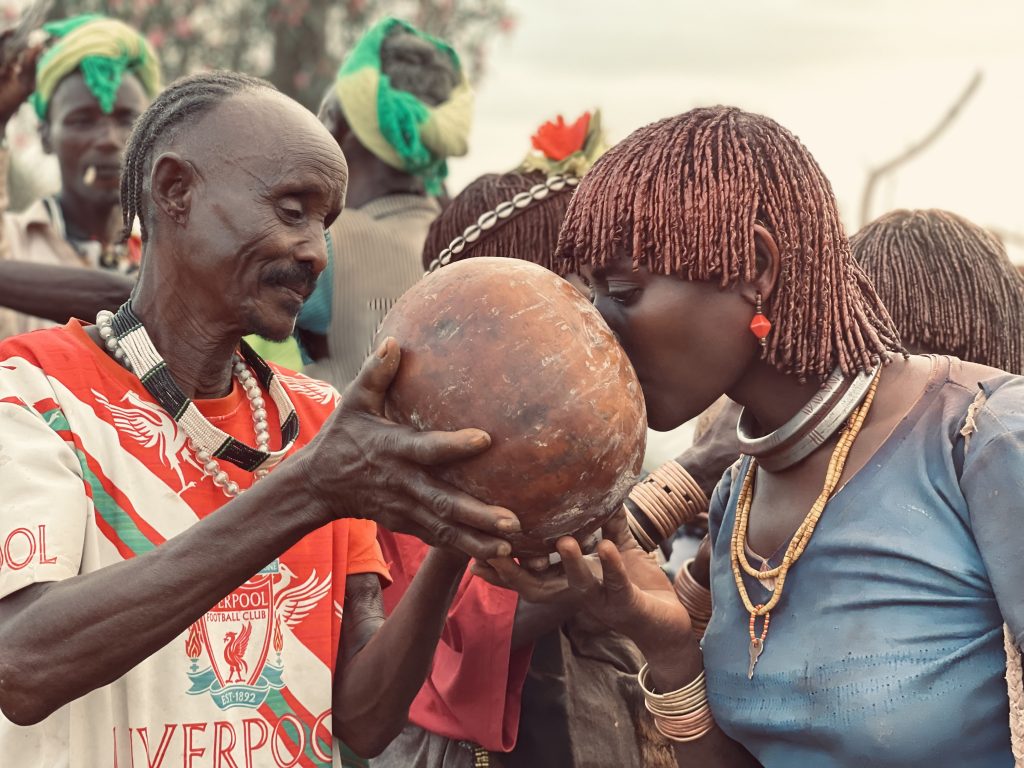
The Omo Valley is one of Ethiopia’s most fascinating destinations, home to diverse indigenous communities, each with unique traditions and customs.
The ideal months to visit are:
- October
- November
- December
- January
- February
During these months, roads are generally easier to navigate, village visits are more comfortable, and photography conditions are excellent.
If you’re interested in experiencing authentic tribal culture in a short but unforgettable journey, explore our 3 Days Omo Valley Tour, which introduces you to remarkable communities including the Mursi, Hamar, Ari, and Karo tribes while showcasing the incredible cultural diversity of southern Ethiopia.
Best Time for Trekking
For hiking enthusiasts, the Simien Mountains and Bale Mountains are best visited between October and February. Trails are dry, mountain views are crystal clear, and temperatures are comfortable for multi-day treks.
Best Time for Festivals
Ethiopia is famous for its colorful religious and cultural celebrations.
Some of the most popular festivals include:
- Timkat (January): Ethiopia’s most celebrated religious festival.
- Genna (January 7): Ethiopian Christmas.
- Meskel (September): A vibrant celebration commemorating the discovery of the True Cross.
- Ethiopian New Year (September): Marks the beginning of the new calendar year with nationwide festivities.
Planning your trip around one of these festivals offers an unforgettable cultural experience.
Wildlife and Nature
Nature lovers can enjoy Ethiopia’s incredible biodiversity throughout the year. National parks and protected areas provide opportunities to see endemic wildlife, including:
- Gelada baboons
- Ethiopian wolves
- Walia ibex
- Bird species found nowhere else in the world
The dry season generally offers the best wildlife viewing conditions.
Travel Tips for 2026/2027
Before visiting Ethiopia, keep these tips in mind:
- Book flights and accommodations early during peak travel seasons.
- Pack layers, as temperatures vary by altitude.
- Bring comfortable walking shoes.
- Carry sunscreen, a hat, and reusable water bottles.
- Respect local customs and ask permission before photographing people.
Frequently Asked Questions
Is Ethiopia safe to visit in 2026 and 2027?
Many of Ethiopia’s major tourist destinations welcome visitors every year. However, it’s always advisable to check the latest travel advisories and travel with experienced local operators familiar with current conditions.
Which month has the best weather?
October through February generally offers the most comfortable weather for sightseeing, cultural tours, and outdoor activities.
Can I visit the Omo Valley during the rainy season?
Yes. While road conditions may occasionally be affected, many areas remain accessible, and the lush scenery offers a different perspective on the region.