
Blue Nile
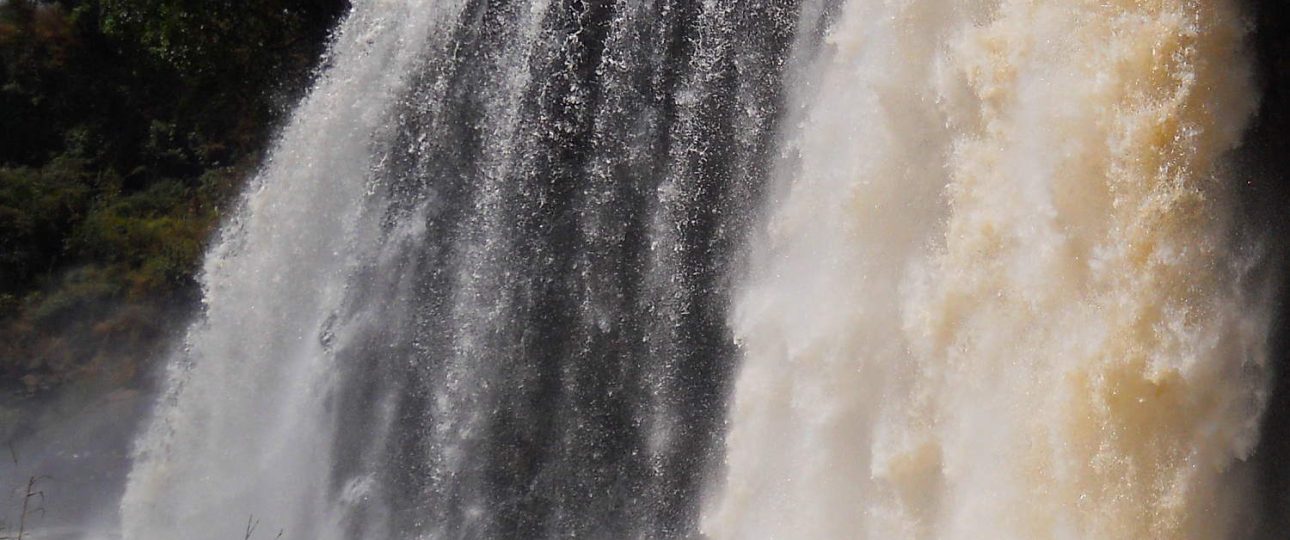
The Blue Nile is a river of staggering power and historical mystique, serving as the lifeblood for millions as it winds from the highlands of Ethiopia toward the plains of Sudan. It begins its journey at Lake Tana, where it is known locally as the Abay, before plunging over the thunderous Tis Abay (Blue Nile Falls) and carving through a massive, ancient canyon that rivals the Grand Canyon in scale.
While the White Nile provides a longer path, the Blue Nile is the true engine of the Nile system; during the rainy season, it contributes over 80% of the water and nutrient-rich silt that historically fueled Egyptian agriculture. Today, it remains at the center of modern energy and geopolitics, symbolized by the massive Grand Ethiopian Renaissance Dam (GERD), which harnesses the river’s descent to provide electricity for the region.
Harar & Danakil Depression Tour
Experience the best of Eastern Ethiopia on a journey that combines the ancient walled city of Harar with the extraordinary landscapes of the Danakil Depression. Wander through Harar’s colorful alleyways, vibrant markets, and rich cultural heritage before venturing into one of the world’s most remarkable geological regions. Witness the glowing lava lake of Erta Ale Volcano, the vivid mineral formations of Dallol, and the endless Afar salt flats. Led by experienced local guides, this tour offers a perfect mix of history, culture, and adventure for travelers seeking an unforgettable Ethiopian experience.


