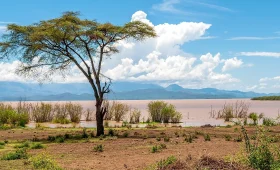

The Lower Omo Valley in Southwest Ethiopia is one of the most culturally diverse and archaeologically significant places on Earth. Often described as a “Living Museum,” it is home to over a dozen distinct ethnic groups who have maintained their ancient traditions for centuries.
Whether you’re a photography enthusiast, a history buff, or a seeker of authentic cultural immersion, here is your guide to the top attractions of the Omo Valley.
1. The Tribal Heartbeat: Iconic Communities
The primary draw of the Omo Valley is its people. Each tribe offers a unique glimpse into a way of life that prioritizes community, ritual, and ancestral heritage.
- The Mursi People: Famous worldwide for the clay plates worn in the lower lips of women. The Mursi live in the Mago National Park area and are known for their striking body paint and fierce stick-fighting traditions (Donga).
- The Hamer Tribe: Renowned for their hospitality and the Bull Jumping Ceremony—a rite of passage where young men must run across the backs of several bulls to prove their manhood. The Hamer women are also recognized by their beautiful cowrie-shell-adorned leather skins and copper-colored braided hair.
- The Karo (Kara) Tribe: The masters of body art. Living on the banks of the Omo River, the Karo use white chalk and mineral pigments to paint intricate patterns on their bodies to mimic nature and symbolize status.
- The Dasenech Tribe: Located near the Kenyan border at Omorate, they are known for their unique architecture and their ability to thrive in a harsh, arid landscape.
2. UNESCO World Heritage: The Lower Valley of the Omo
Beyond the living culture, the region is a scientific goldmine. In 1980, the Lower Valley of the Omo was declared a UNESCO World Heritage site.
- Archaeological Significance: This area has yielded some of the world’s most important hominid fossils, including fragments of Homo sapiens dated to nearly 195,000 years ago.
- Konso Cultural Landscape: Nearby, the Konso people are famous for their ancient stone-walled terraces and wooden statues (wagas) carved in honor of deceased heroes.
3. Vibrant Local Markets
To see the Omo Valley at its most authentic, you must visit a weekly market. These aren’t just for shopping; they are social hubs where different tribes meet to trade, gossip, and share news.
- Key Afer Market (Thursdays): A melting pot where the Bena, Ari, and Tsemai tribes gather.
- Dimeka Market (Saturdays): One of the largest and most colorful markets in the region, primarily attended by the Hamer and Bena people.
4. Nature and Wildlife
While culture takes center stage, the landscapes are equally breathtaking.
- Omo National Park: Ethiopia’s most remote park offers vast savannahs and sightings of elephants, buffalo, and various antelope species, though it remains largely untouched by mass tourism.
- Lake Chamo (Arba Minch): Often the gateway to the Omo Valley, a boat safari here allows you to see the “Crocodile Market”—a shore packed with massive Nile crocodiles—alongside pods of hippos and diverse birdlife.
Pro-Traveler Tips for 2026
- Best Time to Visit: Between June and September or December and March to avoid the heavy rains which can make some roads impassable.
- Photography Etiquette: Always ask permission before taking photos. In most villages, a small fee per photo is expected and helps support the local economy.
- Go with a Guide: Having a local, certified guide is essential. They act as translators and cultural liaisons, ensuring your visit is respectful and mutually beneficial.
Plan Your Journey: A trip to the Omo Valley is more than a vacation; it’s a journey back in time. Are you ready to witness the cradle of humanity?