With its rugged highlands, subterranean churches, and surreal volcanic landscapes, Ethiopia is a destination that defies expectations. But because its topography ranges from the high-altitude Simien Mountains to the scorching Danakil Depression, timing is everything.
Whether you are chasing the “Thirteen Months of Sunshine” or looking to witness the vibrant colors of a religious festival, here is your ultimate guide on when to pack your bags for the Land of Origins.
The Golden Window: October to March (The Dry Season)
This is widely considered the best time to visit Ethiopia. As the heavy rains of summer subside, they leave behind a lush, emerald landscape that slowly transitions into the golden hues of the dry season.
- Why go now: The skies are crystal clear, making it the peak time for photography and trekking in the Simien or Bale Mountains.
- Northern Circuit: Conditions are perfect for exploring the rock-hewn churches of Lalibela and the ancient stelae of Axum.
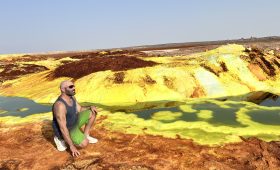
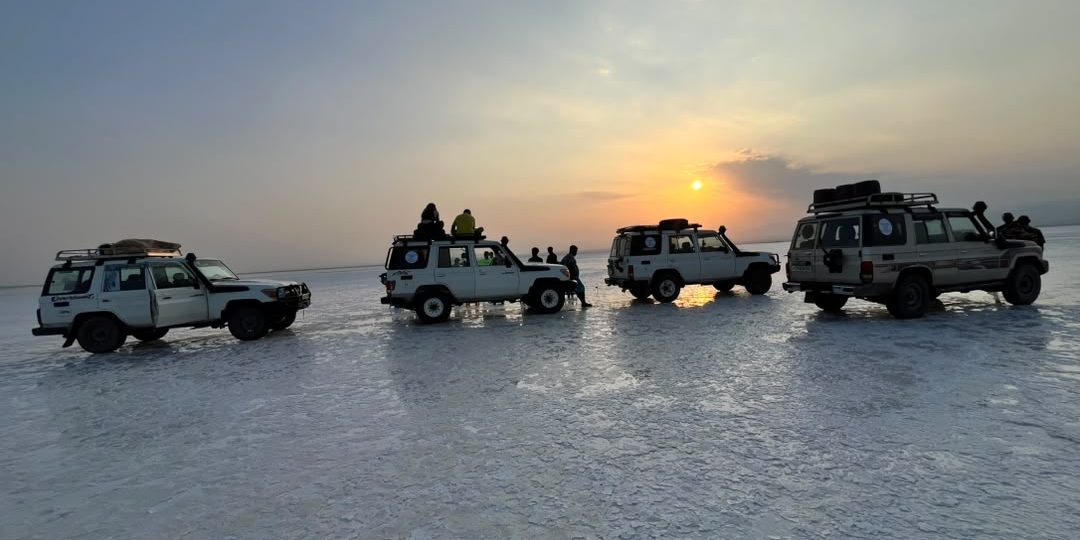
- Danakil Depression: This is the only window (specifically November to February) when temperatures in the Danakil are “cool” enough (around 35°C or 95°F) to visit the lava lakes of Erta Ale comfortably.
The Festival Season: A Cultural Deep Dive
If you want to experience the soul of Ethiopia, plan your trip around its liturgical calendar. These festivals are massive, colorful, and deeply moving.
| Festival | Date (2026) | Best Location | What to Expect |
| Genna | Jan 7 | Lalibela | Ethiopian Christmas; thousands of pilgrims in white robes. |
| Timkat | Jan 19 | Gondar | Epiphany; a vibrant procession of the Tabots (Arks) to the water. |
| Fasika | April 12 | Addis Ababa | Ethiopian Easter; the end of a 55-day vegan fast with a massive feast. |
| Enkutatash | Sept 11 | Nationwide | The Ethiopian New Year; fields of yellow daisies and traditional songs. |
| Meskel | Sept 27 | Addis Ababa | The Finding of the True Cross; giant bonfires (Demera) in the city square. |
The “Green” Season: April to September
While many avoid the rainy season, savvy travelers know that the “shoulder” months offer unique perks.
- April & May: These months see light “Belg” rains. The dust is settled, and the heat is manageable. It’s a great time for birdwatchers as migratory species are still present.
- June to August: This is the height of the “Kiremt” (heavy rains). While trekking in the highlands can be muddy and difficult, the Omo Valley in the south remains accessible and often drier than the north.
- The Perk: You will have world-class UNESCO sites like Gondar’s castles almost entirely to yourself, and accommodation rates are significantly lower.
Regional Cheat Sheet
- For Trekkers: Aim for October to December. The wildflowers are in bloom, the air is crisp, and the visibility for spotting the Ethiopian Wolf or Gelada Baboon is at its peak.
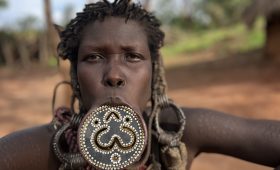
- For the Omo Valley: The tribes of the south can be visited year-round, but June to August and December to February are the driest windows for navigating the rural roads.
- For the Danakil Depression: Strictly November to March. Any other time, the heat can be physically dangerous, often exceeding 50°C (122°F).
Final Pro-Tip
Ethiopia follows its own calendar (currently seven to eight years behind the Gregorian calendar) and keeps time differently (starting the clock at sunrise). When booking your tours for 2026, always double-check that your dates align with the Ethiopian Orthodox calendar to ensure you don’t miss those spectacular festivals!
Ready to explore the roof of Africa? Whether you want the festive energy of January or the quiet, green landscapes of October, Ethiopia is waiting.